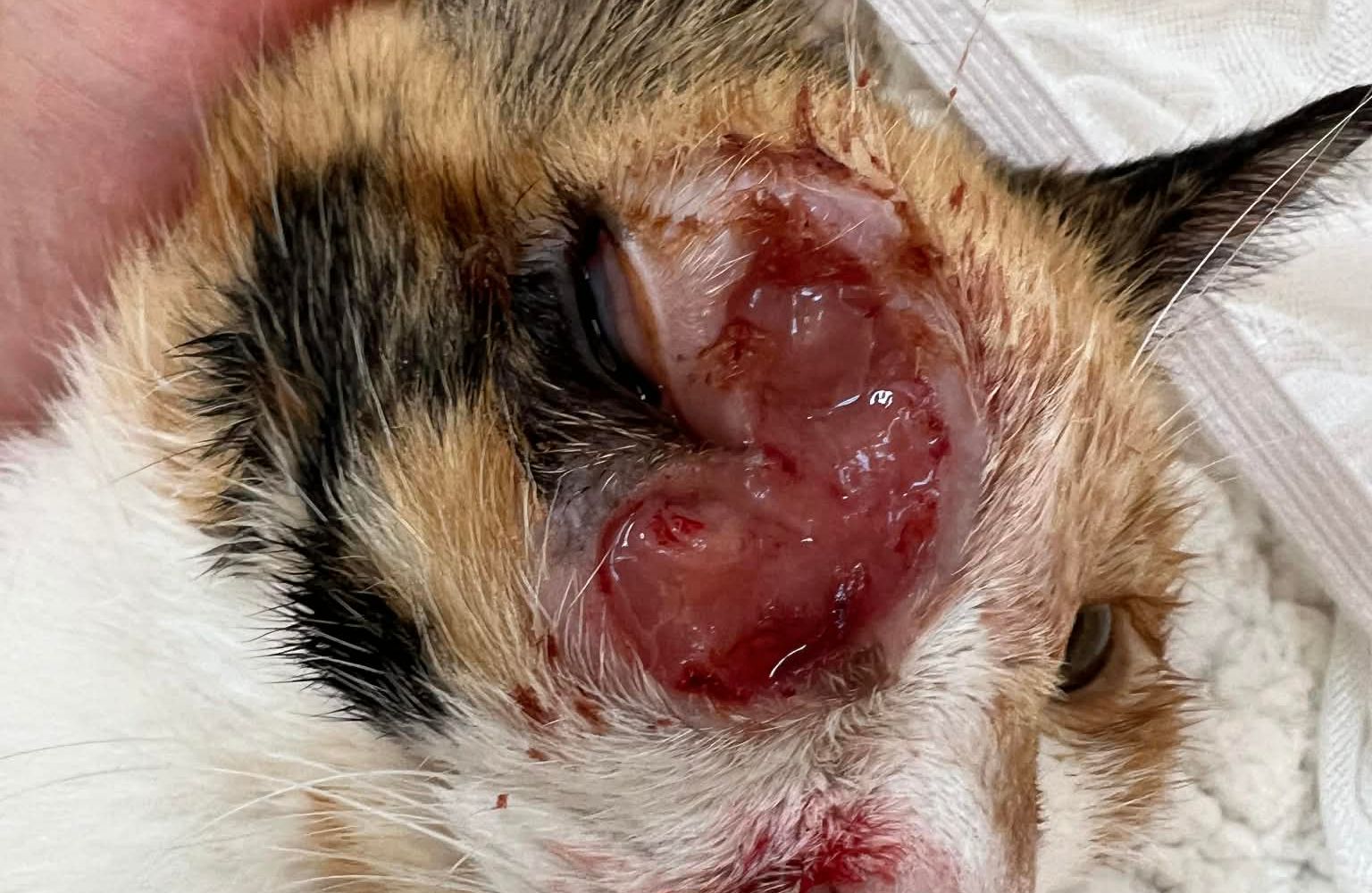
This procedure involves assessing the cut, thoroughly cleaning it, removing damaged tissue (debridement), and then deciding whether to stitch (suture), staple, glue, bandage, or leave it open, often using drains, pain meds, and antibiotics to prevent infection and promote healing, with deep or contaminated wounds requiring more complex care. Proper home care, including an E-collar and following vet instructions, is crucial for recovery, as many seemingly small cuts can be deep and serious.
For serious wounds and lacerations, particularly those that may have deep chest or abdominal penetration, we recommend initially taking your pet to an ER or Urgent Vet for evaluation. If their prices are out of your price range, contact us and we will see what we can do for you. If your pet has experienced significant blood loss, has difficulty breathing, or there is reason to believe any organs have been punctured, your pet needs to be at a 24-hour ER facility.
Veterinary Procedure
- Assessment: Vet checks the wound’s depth, contamination, and overall health, potentially sedating the pet.
- Cleaning & Debridement: The area is flushed (lavaged) to remove dirt and bacteria, and any dead or damaged tissue is trimmed to encourage healthy healing.
- Closure Decision:
- Primary Closure: Clean cuts are sutured or stapled closed.
- Delayed Closure: Contaminated wounds might be cleaned and left open, closed days later.
- Open Wound Care: Some wounds heal from the bottom up, managed with bandages, drains, or leaving them open.
- Drains: May be placed in deep wounds to drain fluid.
- Medications: Antibiotics, pain relievers, and anti-inflammatories are often prescribed.
At-Home Care & What to Watch For
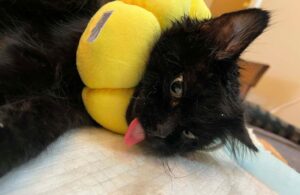
- Prevention: Use an Elizabethan collar (E-collar) to stop licking.
- Monitoring: Check for swelling, redness, discharge, or foul odor.
- Medication: Administer all prescribed meds.
- Follow-Up: Return to the vet for suture removal (10-14 days for simple cases) and bandage changes.