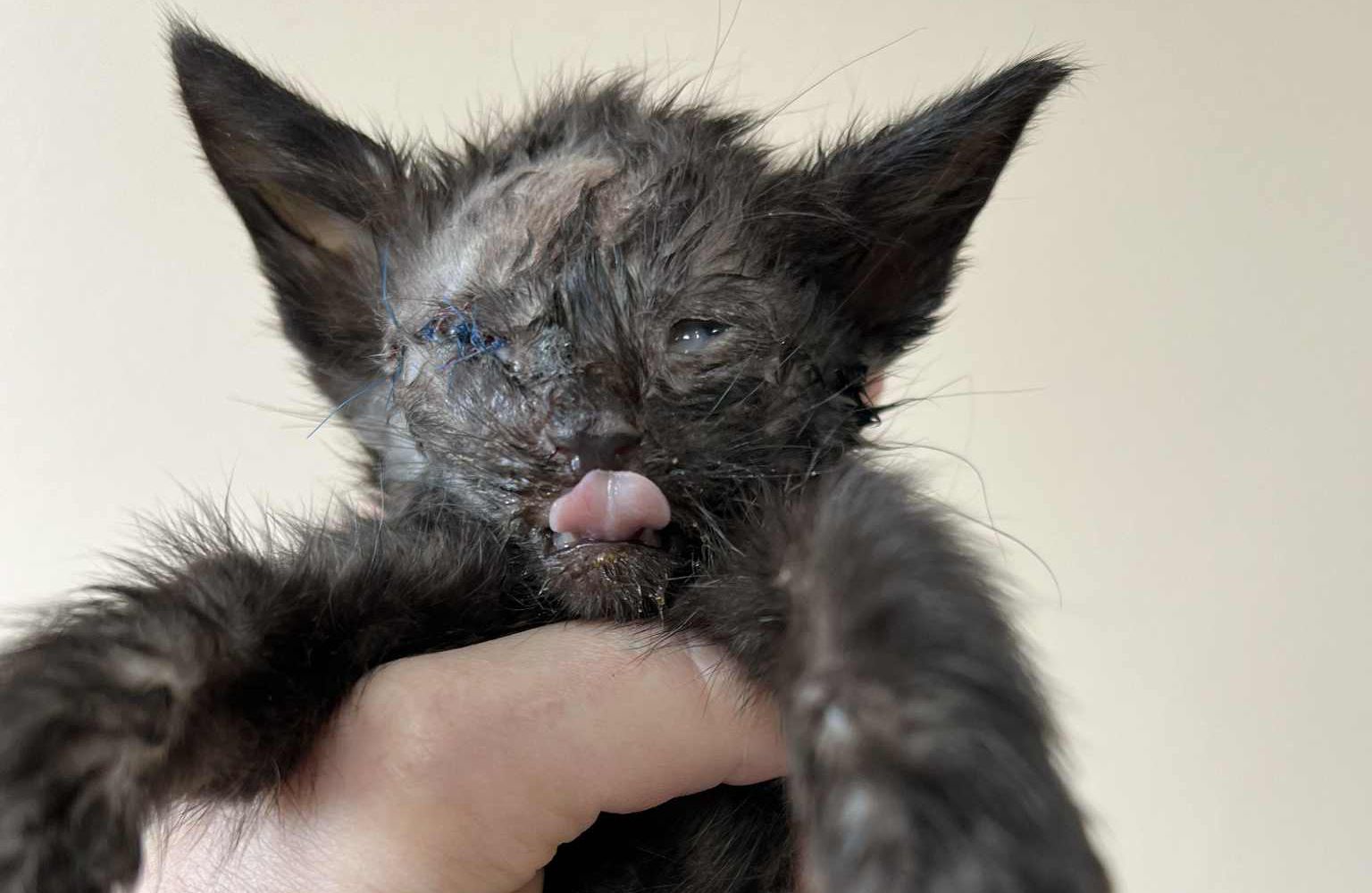
Entropion surgery
This procedure corrects inward-rolling eyelids, preventing painful rubbing of eyelashes on the eye, often by removing a strip of eyelid skin to reposition it, with high success rates, requiring a protective cone during a 2-week recovery, and sometimes involving temporary fixes or multiple procedures for severe cases like Shar Peis, costing from hundreds to over $2,000 depending on severity and specialist.
What is Entropion?
- A condition where the eyelid rolls inward, causing hairs to rub against the cornea.
- Leads to pain, redness, discharge, tearing, and potential corneal ulcers.
The Surgical Solution
- Procedure: A veterinarian removes a section of skin from the eyelid to roll it outward, correcting the inversion.
- Types: Can involve one major surgery or two, with a second minor surgery to avoid overcorrection (ectropion).
Recovery & Aftercare
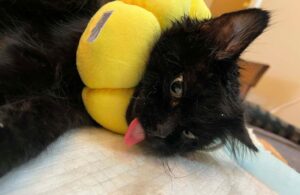
- E-Collar: A protective cone (e-collar) is essential for 10-14 days to prevent pawing and rubbing.
- Healing: Full healing takes approximately 2 weeks
Enucleation
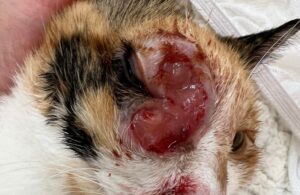
Pet enucleation surgery removes a painful or diseased eye, often due to uncontrolled glaucoma, tumors, severe injury, or infection, as a compassionate measure to improve quality of life when other treatments fail. The procedure involves removing the eyeball, tear gland, and some eyelid tissue. Animals adapt surprisingly well, despite the loss of sight in one eye, and often return to normal routines quickly.
Reasons for Enucleation
- Uncontrolled Glaucoma: Severe, painful pressure in the eye unresponsive to medication.
- Tumors: Growths within or around the eye that threaten health or vision.
- Severe Trauma: Injuries like deep bite wounds or blunt force trauma.
- Untreatable Infections: Infections that threaten the pet’s overall health.
- Severe Inflammation: Chronic inflammation that doesn’t respond to other treatments.
The Procedure & Recovery
- Surgery: Performed under general anesthesia, removing the eyeball and associated structures.
- Post-Op Care: Includes pain relief, antibiotics, and a protective cone.
- Recovery: Typically 1-2 weeks.