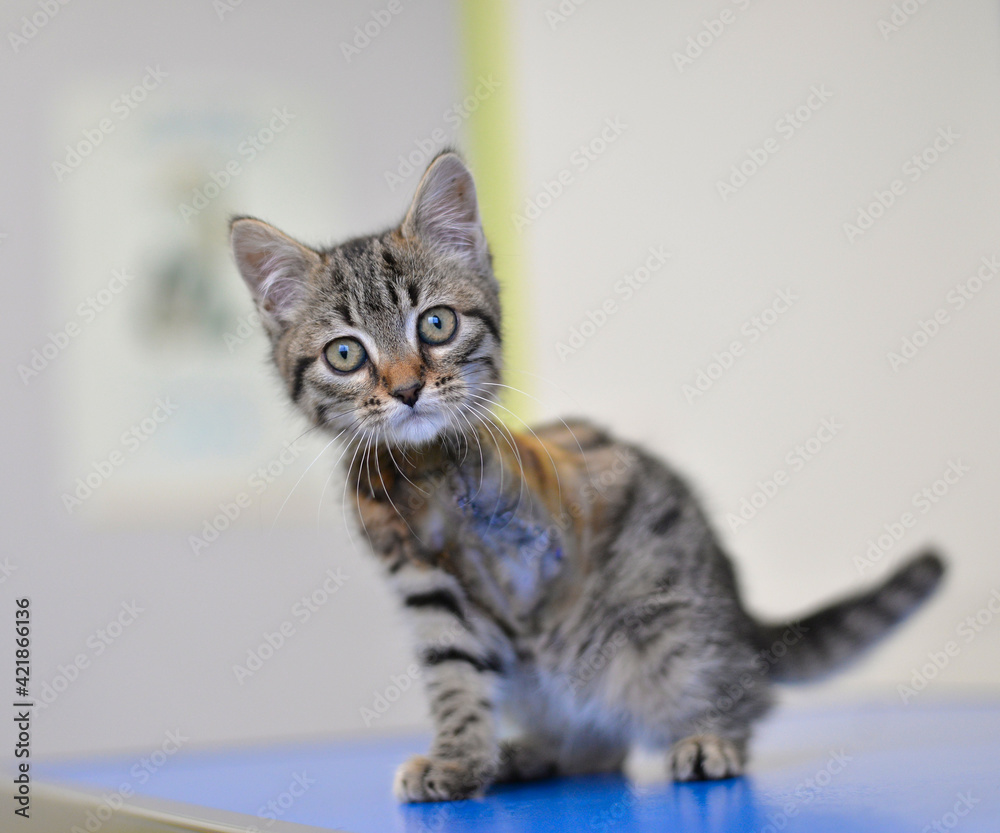
Tail amputation
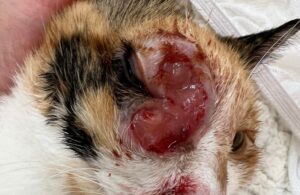
Tail amputation is a surgical procedure to remove part or all of an animal’s tail, often for severe injuries, tumors, infections, or chronic self-trauma, allowing pets to heal when conservative treatment fails, though requiring strict E-collar use and activity restriction for 2-3 weeks for proper healing.
We do not perform tail amputations on dogs with screw tails.
What to expect during & after surgery
- Surgery: Performed under general anesthesia; the surgeon cuts between vertebrae, ligates blood vessels, and sutures the skin.
- Immediate Recovery (Days 1-2): Pets may be groggy; keep them in a quiet, confined space (crate/small room).
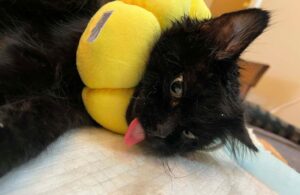
- Incision Care: Must wear an E-collar (cone) at all times to prevent licking, which causes infection.
- Medications: Pain meds (NSAIDs like carprofen, meloxicam) and antibiotics are common.
- Healing: Skin usually heals in 10-14 days.
Forelimb amputation
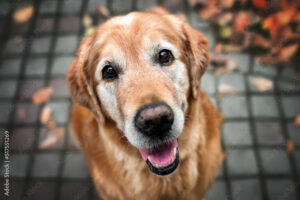
Forelimb amputation is a major surgical procedure in veterinary medicine used as a “salvage” option to address severe disease or injury. Animals, particularly dogs, generally adapt exceptionally well to living on three legs.
Indications:
Amputation is typically considered when limb retention is no longer viable due to:
- Neoplasia: Bone tumors like osteosarcoma.
- Severe Trauma: Irreparable fractures or extensive soft tissue damage.
- Neurological Lesions: Brachial plexus avulsions or severe nerve damage.
- Chronic Infection: Uncontrolled or deep-seated infections.
Surgical Techniques
Forequarter (Scapulothoracic) Amputation: Removal of the entire limb including the scapula (shoulder blade). This is often preferred as it is more cosmetic and reduces the risk of pressure sores over bony prominences.
Recovery and Long-Term Care
- Pain Management: Critical both pre- and post-operatively, often involving narcotics, NSAIDs, and local nerve blocks.
- Weight Control: Maintaining a lean body condition is vital to reduce stress on the remaining three joints.
- Rehabilitation: Physiotherapy, hydrotherapy, and environmental modifications (like ramps or non-slip rugs) can assist in long-term adaptation.